

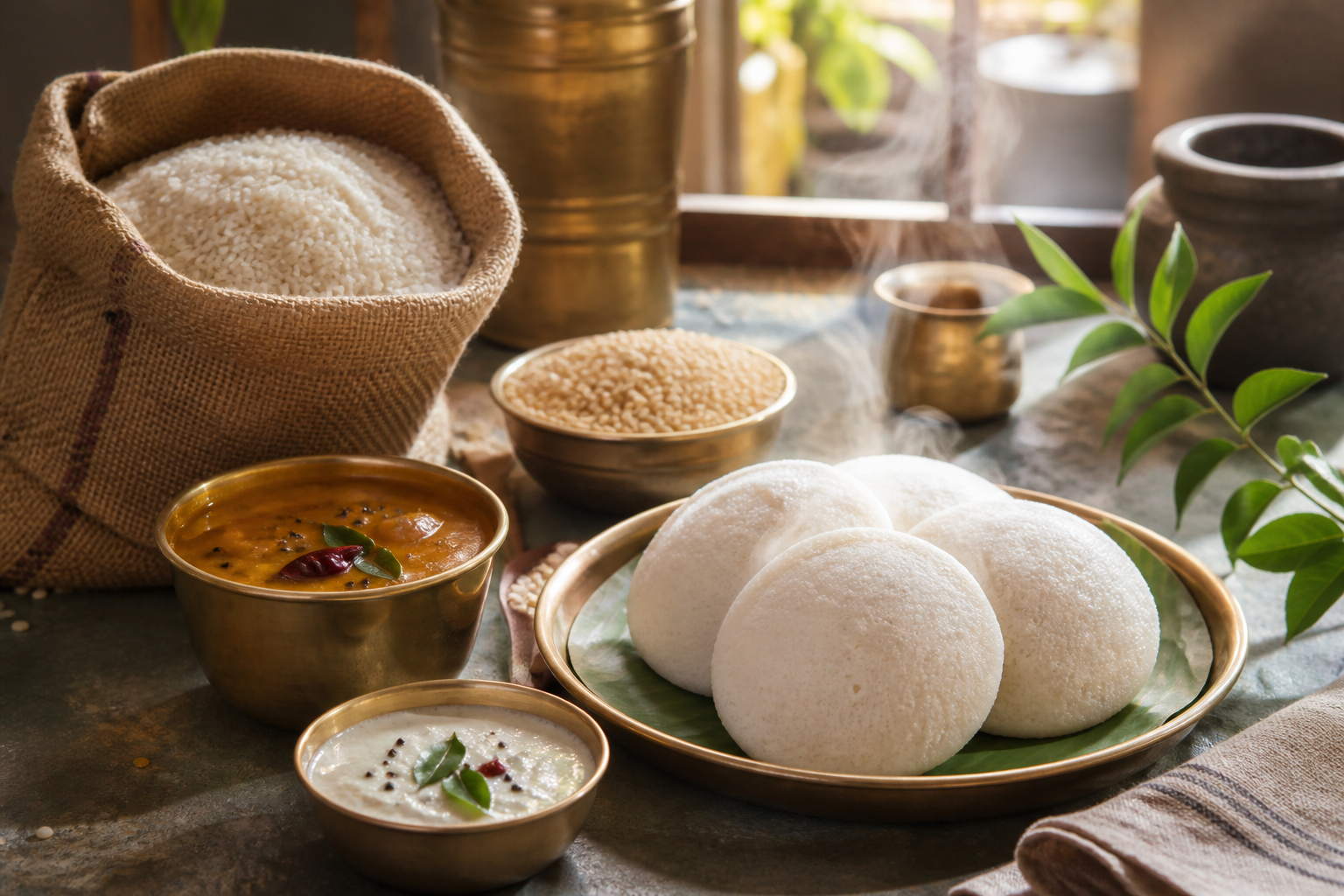
Soft idli is comfort food, festival breakfast, and weekday fuel all at once. Yet many home cooks outside India struggle with dense, sticky, or under-fermented batter. The good news: once you understand rice-to-dal ratio, water temperature, and fermentation timing, fluffy idlis become repeatable — even in cooler French weather.
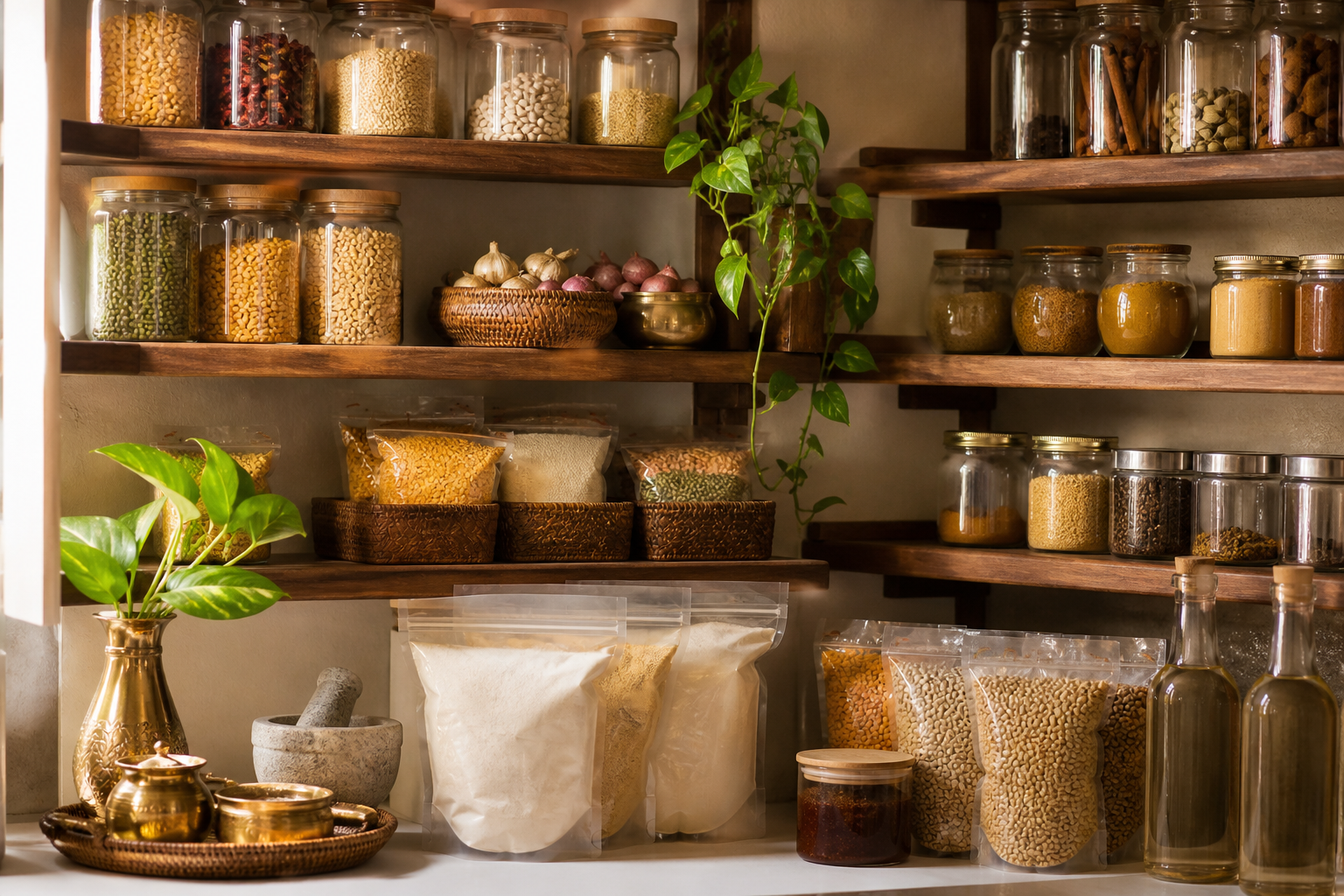
At Chozhan Palporul Vaanibam we stock the idli rice and urad dal that make this process reliable. Quality ingredients remove half the guesswork before you even switch on the grinder.

Choose the right rice and dal
Traditional idli uses short-grain idli rice (or parboiled idli rice) and whole skinless urad dal. A classic ratio is roughly 3 or 4 parts rice to 1 part urad dal by volume, plus a spoon of fenugreek seeds to help fermentation and softness. Avoid substituting long basmati for idli rice; the starch structure is different and the steamed cakes will not rise the same way.
Soak with intention
Rinse rice and dal separately until the water runs clearer. Soak for at least 4 to 6 hours. In winter, warmer room-temperature water helps. Fenugreek can soak with the dal. Do not rush this step — under-soaked grains grind unevenly and ferment poorly.
Grind to a living batter
Grind urad dal first with just enough cold water to create a light, fluffy paste that traps air. Rice should be ground a little coarser — completely silky rice paste can make idlis gummy. Combine both batters, add salt, and mix with clean hands for a minute. The warmth and natural flora from your hands gently encourage fermentation.
Ferment for your climate
In Tamil Nadu, overnight on the counter is often enough. In Drancy winters, you may need 12 to 18 hours, a switched-off oven with the light on, or a warm corner near a radiator (not directly on heat). The batter should rise, look airy, and smell pleasantly tangy — not sharply sour. If it never rises, the room was too cold or the dal quality was weak.
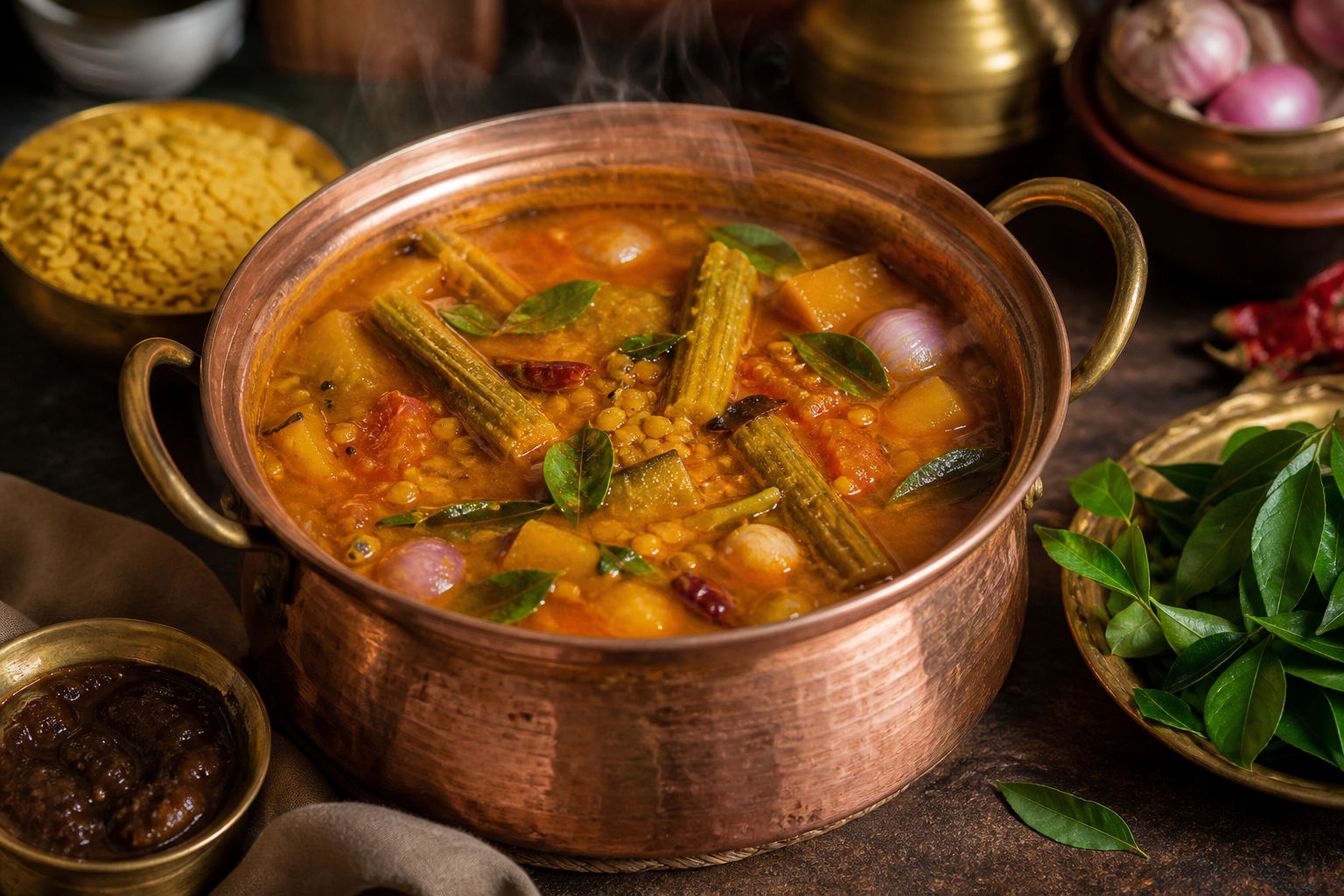
Grease idli plates lightly, fill moulds without packing the batter down, and steam for 10 to 12 minutes. A knife should come out clean. Rest one minute before unmoulding so the cakes set. Serve with coconut chutney, tomato chutney, and a ladle of hot sambar.
Troubleshooting tip: if idlis are flat, fermentation was incomplete or the batter was too watery. If they are hard, you may have used too little urad, over-steamed, or skipped fenugreek. Keep notes on soak time and room temperature for two or three batches — your kitchen will teach you its own rhythm.
Once you lock in a method, idli batter also becomes dosa batter with a splash more water. That means one weekend prep can cover several breakfasts. Stock good idli rice and urad dal from your local Indian store, respect fermentation, and soft, cloud-like idlis will stop feeling like restaurant magic and start feeling like your normal Sunday morning.